Gilded Flower Imprints Vol. 9: A Practical Evaluation for Craft and Design Projects
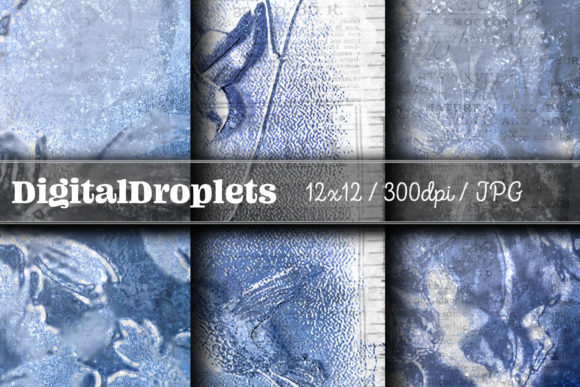
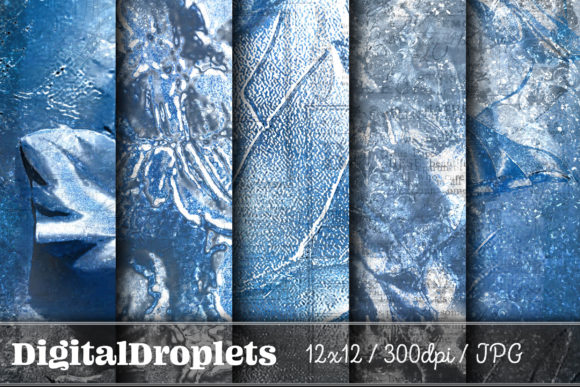
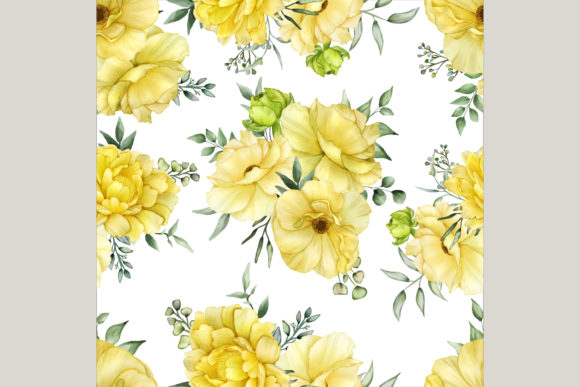
When selecting digital papers for creative projects, the sheer volume of available collections can make the choice overwhelming. Gilded Flower Imprints Vol. 9 represents a specific niche within this landscape, offering a curated set of twenty 12×12 high-resolution JPEG files. Its defining characteristic is the fusion of large, prominent floral motifs overlaid on a textured vintage paper background, accompanied by a subtle glitter damask pattern. This combination creates a distinct aesthetic that leans toward formal elegance, making it a point of comparison for crafters and designers seeking a particular visual tone.
Understanding the Distinct Design Profile
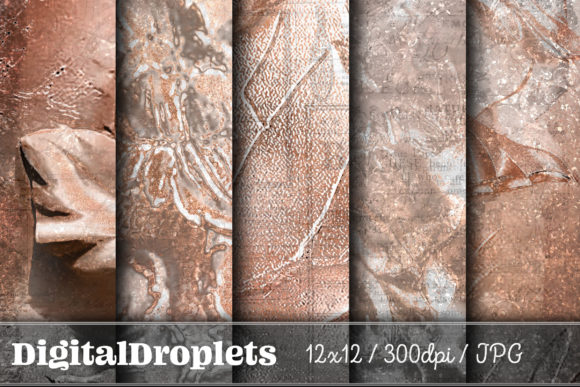
What separates Gilded Flower Imprints Vol. 9 from many other digital paper packs is its deliberate layering of elements. The large flower motifs are the primary focus, but they are not placed on a flat, modern background. Instead, the vintage paper base adds a sense of depth and history, often mimicking the look of aged ledger pages, gentle parchment, or softly worn book leaves. The addition of a glitter damask pattern—applied very subtly—introduces a hint of luxury without overwhelming the design. This results in papers that are ornate yet not excessively busy, a balance that is difficult to achieve.
For individuals comparing options, this design profile sits between purely vintage, distressed collections and contemporary, minimalist floral sets. It avoids the sometimes chaotic feel of maximalist collage papers while offering more visual interest than basic textured solids. The tradeoff here is specificity: the aesthetic is clearly defined. If your project requires a clean, modern Scandinavian look, this collection would likely be a mismatch. However, for themes calling for classic elegance, romantic heritage, or gentle opulence, these papers become a strong contender.
Evaluating Format and Technical Specifications
The Gilded Flower Imprints Vol. 9 Collection 12×12 Paper Set provides twenty unique designs. Each being a 12×12 inch file at 300dpi resolution is a standard, professional format for digital papers, ensuring high-quality prints for physical projects and crisp detail for digital uses. When evaluating similar products, the number of sheets—twenty—is a moderate count. Some collections offer thirty or forty sheets, while smaller, more focused sets might provide only ten. The value depends on your need for variety. Twenty different floral patterns offer substantial diversity for a single project like a scrapbook album or a suite of invitations, reducing the risk of repetitive visuals.
A practical consideration is the file format: JPEG. This is universally compatible and easy to use in virtually any software, from professional graphic design programs to basic word processors. However, compared to collections that also offer PNG files with transparent backgrounds or layered PSD files, Gilded Flower Imprints Vol. 9 is less flexible for complex digital compositing. Its strength lies in its readiness as a finished background or printable sheet. For users whose primary work involves printing, die-cutting, or using papers as full backgrounds, the JPEG format is perfectly adequate and often preferable for its simplicity and small file size.
Comparative Use Cases and Project Fit
The described applications—scrapbooks, junk journals, cards, tags, envelopes—are common for digital papers. The key to making an informed decision is understanding where this particular collection's design strengths align best with those uses.
Formal Scrapbooking and Photo Albums
For heritage albums, wedding scrapbooks, or anniversary projects, the formal elegance of these papers can be a significant asset. Compared to brighter, more playful paper packs, Gilded Flower Imprints Vol. 9 provides a sophisticated backdrop that complements formal portraits and cherished memorabilia without competing with them. The large floral motifs can serve as bold page foundations, while the subtle patterns in the background add texture without clutter. A tradeoff to consider is that for scrapbooks documenting children's daily activities or vibrant travel adventures, these papers might feel too restrained.
Junk Journals and Mixed Media Art
In junk journaling, where eclectic layering is celebrated, the vintage paper base of these sheets integrates seamlessly with other ephemera like old postcards, stamps, and book pages. The glitter damask pattern can add a point of light contrast against more matte, distressed elements. When compared to paper sets designed specifically for junk journals, which often include more overtly torn edges, stamp imprints, and handwritten simulations, this collection is more polished. It would work excellently as a base layer or for creating specific, elegant pockets and tags within a journal, but might require additional rougher elements to achieve a fully eclectic, "found" aesthetic.
Paper Crafting and Decorative Items
The mention of frames, washi tape strips, shapes, and cards points to its utility in dimensional projects. The high resolution ensures that when a single flower is cut out for a card focal point or a frame mat, the detail remains sharp. For crafters comparing between using digital papers and purchasing physical specialty papers, the advantage here is cost and immediate access: one purchase yields twenty designs usable for countless small projects. However, a limitation is the need for quality printing equipment and paper stock to achieve a result matching purchased physical papers.
Considering Alternatives and Complementary Resources
The creator's note about other variations and sample freebies in their shop is an important part of the evaluation process. Exploring other volumes within the Gilded Flower Imprints series or different collections from the same designer allows for a direct comparison of style evolution. One volume might feature smaller florals, another might omit the glitter element for a purely vintage feel. Sampling freebies is a prudent step for any digital asset purchase, allowing you to test print quality, color rendering on your printer, and how the designs work with your specific software.
When Gilded Flower Imprints Vol. 9 may not be the right fit, considering alternatives involves analyzing the project's core requirements. If the project needs:
- Ultimate versatility and neutral backgrounds: A collection of solid textures or very subtle, all-over patterns might be more appropriate.
- Highly themed, specific imagery (e.g., nautical, Christmas): A niche thematic collection would serve better than general florals.
- Complete transparency and layering for digital design: As mentioned, collections offering PNG files or editable layers would be necessary.
Conversely, this paper set can also act as a complementary resource within a larger toolkit. It can provide the elegant floral elements within a project that also uses simpler papers and bold geometrics from other sets, allowing for contrast and focal points.
Making an Informed Selection Decision
Choosing a digital paper collection is ultimately about aligning the product's attributes with your project's visual goals, technical requirements, and your personal workflow. Gilded Flower Imprints Vol. 9 presents a clear set of attributes: a formal, elegant aesthetic built on large florals and vintage bases with subtle glitter accents, delivered in a standard, printable 12×12 JPEG format with twenty variations.
Its best-fit situation is for projects where a touch of classic sophistication is desired—formal memory preservation, elegant event stationery, or refined mixed-media art. Its limitation is its stylistic specificity; it is not a universally neutral collection. By evaluating your need for that particular aesthetic, comparing the technical format (JPEG) to your intended uses (printing vs. complex digital editing), and utilizing available samples, you can determine if this collection fills a gap in your creative resources or if an alternative approach would yield a better result for your current endeavors. The endless possibilities mentioned stem not from the papers alone, but from how their distinct characteristics intersect with your unique creative application.