The Beauty Lotus Flower Vector: A Versatile Asset for Modern Creative Workflows
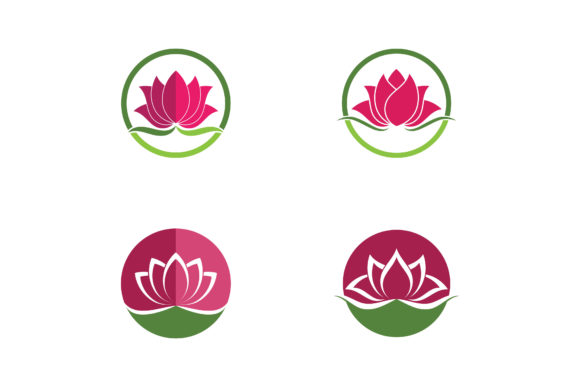
In the expansive digital toolkit of a modern creator, certain elements transcend mere decoration to become foundational assets. The Beauty Lotus Flower Vector is one such element. It is not simply an illustration of a flower; it is a scalable, editable, and highly symbolic graphic file built from mathematical paths and points. This technical definition belies its immense practical utility. For professionals, marketers, and hobbyists alike, a high-quality lotus vector fits into workflows at multiple stages, serving as a versatile component for branding, design, and content creation.
Defining Your Starting Point: The Vector in the Planning Phase
Before a single pixel is placed or a layout is drafted, the planning phase of any project involves asset acquisition and conceptual alignment. Integrating a Beauty Lotus Flower Vector here can shape the entire creative direction. Its inherent symbolism—representing purity, rebirth, and spiritual growth in cultures from India to ancient Egypt—provides a strong thematic anchor. A designer planning a yoga studio's identity, a spa's promotional materials, or a luxury wedding brand's aesthetic might select this vector as the central motif. This decision at the outset influences color palettes (soft pinks, whites, elegant greens), complementary imagery (water, leaves, botanical patterns), and overall tone (natural, vintage, elegant).
From a practical workflow standpoint, securing a quality vector early prevents mid-project scrambles for assets. It allows for immediate testing of concepts in mood boards and wireframes. The vector format's scalability means you can experiment with its use as a large watermark on a background or a tiny, intricate detail on a textile pattern mock-up without any loss of quality, a crucial advantage over static raster images.
Execution and Integration: The Vector During Active Design Work
Once the project moves into active execution, the Beauty Lotus Flower Vector becomes a dynamic, interactive element within your primary design software. Whether you are working in Adobe Illustrator, CorelDRAW, or a web-based vector tool, the file's layers and paths offer immediate flexibility.
Adapting the Core Asset
The first step in implementation is often adaptation. A purchased or sourced vector might come in a full-color rendered state or a clean black-and-white outline. Your workflow likely involves customizing it to your specific needs. This could mean:
- Isolating specific elements, such as a single petal or leaf, to use as a repeating decorative element.
- Modifying the line weight to create a more bold graphic style for a logo or a delicate sketch-like quality for a wallpaper.
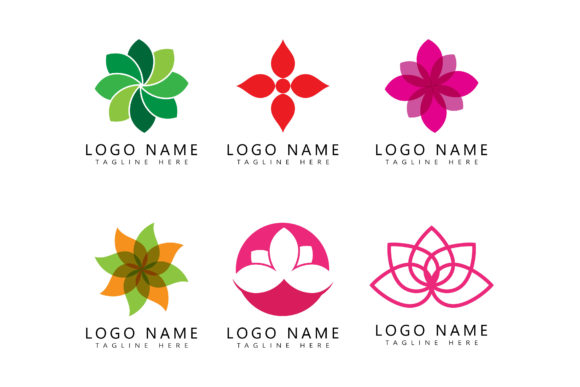
- Changing colors entirely to match a brand palette, perhaps transforming a pink lotus into a gold-toned luxury symbol.
- Simplifying the design into an abstract form for a more modern, minimalist application.
This process of adaptation is where the vector format proves its worth. Each change is made to the underlying data, not destructively to a flat image, ensuring that the asset remains pristine and reusable for future projects.
Combining with Other Design Components
The lotus vector rarely exists alone. A key part of the workflow is its integration with other assets. It might be combined with:
- Typography: Serving as an ornamental flourish beside text in a wedding invitation or as an icon within a blog's headline.
- Photography: Overlaid as a translucent, elegant graphic on a natural summer background photo for a spa brochure.
- Pattern Systems: Repeated and rotated to form the base of a larger floral pattern for textile or wallpaper design.
- Digital Media: Animated frame-by-frame in video editing software to simulate a bloom for a mindfulness app's introduction.
Compatibility is paramount. Ensuring your vector is in a widely compatible format like .SVG or .EPS prevents workflow bottlenecks when sharing files with clients, printers, or other team members.
Long-Term Use and Quality Control: Beyond the Single Project
The true value of a well-executed Beauty Lotus Flower Vector asset is realized in its long-term application. Unlike a one-time-use stock photo, a customized vector becomes a permanent part of your brand or personal resource library.
Organizational efficiency is gained by storing the master file in a clearly labeled asset management system, alongside its various derivatives (the outline version for the tattoo inspiration gallery, the pink blossom for the spring marketing campaign, the white isolated icon for the product logo). This allows for rapid retrieval and ensures consistency across all touchpoints—from your website's decorative elements to your printed botanical guides.
Quality control is inherently maintained. Because the core artwork is vector-based, any new output—whether for a massive festival banner or a tiny social media favicon—will retain sharp, clean lines. This eliminates the frequent quality degradation checks needed when resizing pixel-based images.
Cross-Platform Application Examples
To illustrate the workflow integration concretely, consider these scenarios:
- A Small Business Owner launching an organic skincare line uses the lotus vector as the brand's logo. During planning, they select a simple, elegant outline style. During execution, they apply it to product labels, the website header, and PDF manuals. For long-term use, they ensure the SVG file is provided to web developers and printers for all future collateral, maintaining absolute visual consistency.
- A Freelance Blogger & Educator focused on wellness creates digital course materials. They incorporate the lotus vector as a recurring decorative element in slide decks, workbook pages, and email headers. The workflow involves having the vector open in a separate tab while designing in Canva or PowerPoint, quickly copying instances of it to maintain a cohesive, calming visual theme across all educational content.
- A Textile or Graphic Designer develops a pattern for a home decor collection. They start with a complex, drawn lotus vector, deconstruct it into core elements (a petal, a stem, a seed pod), and use software tools to repeat and mirror these elements into a seamless, decorative pattern. The vector's precision allows for flawless repetition, a critical requirement for manufacturing.
Practical Implementation Tips for Smooth Integration
To seamlessly integrate a Beauty Lotus Flower Vector into your processes, a few practical observations can optimize your workflow:
- Source with Intent: When acquiring a vector, look for files with well-organized layers and groups. This saves considerable time during the adaptation phase, allowing you to hide or select parts of the illustration easily.
- Establish a Master File: Always keep one untouched, fully-editable master version. Create copies for specific projects rather than altering the master. This preserves your options for future, different applications.
- Understand Format Needs: Use .AI or .EPS for complex print design work within professional suites. Use .SVG for web-based applications, as it is natively supported by browsers and many web design platforms, ensuring scalability without file conversion.
- Consider Cultural Context: If your project has a global audience, be mindful of the lotus's diverse meanings. In some Eastern cultures, it carries profound spiritual weight, while in Western decorative art, it may be seen more as a generic floral beauty. This understanding should be part of your initial planning and research phase.
The journey of the Beauty Lotus Flower Vector from a standalone graphic to an integrated brand symbol or decorative pattern exemplifies a modern creative workflow. It begins with strategic selection in the planning stage, moves through technical adaptation and combination during execution, and culminates in the establishment of a reliable, reusable asset for long-term quality and consistency. By treating such vectors not as finished pictures but as raw, malleable components, creators and professionals unlock their full potential, embedding natural beauty and symbolic depth efficiently into their work.