Rose Wedding Invitation Card Template: A Strategic Choice for Your Celebration
In the intricate planning of a wedding, every detail contributes to the narrative of the day. The wedding invitation is not merely a logistical piece of paper; it is the first official communication of your event, setting the tone, establishing expectations, and beginning the guest experience. For couples, entrepreneurs in the event industry, and creative professionals, the selection of this item is a significant decision. The Rose Wedding Invitation Card Template represents a strategic solution that balances aesthetic elegance with practical functionality, offering a foundation that is both beautiful and adaptable.
Understanding the Strategic Value of a Pre-Designed Template
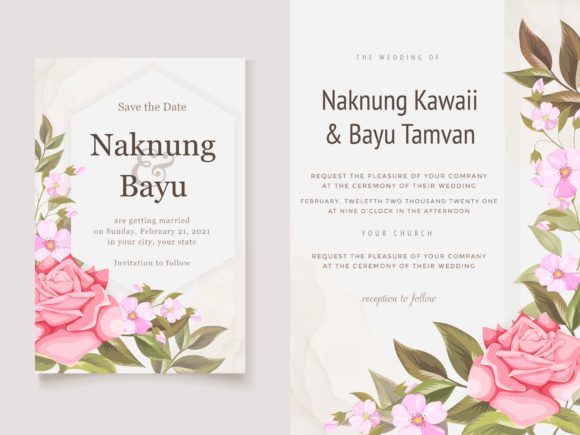
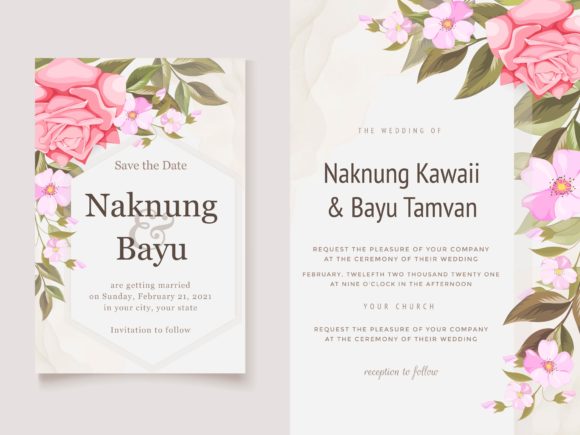
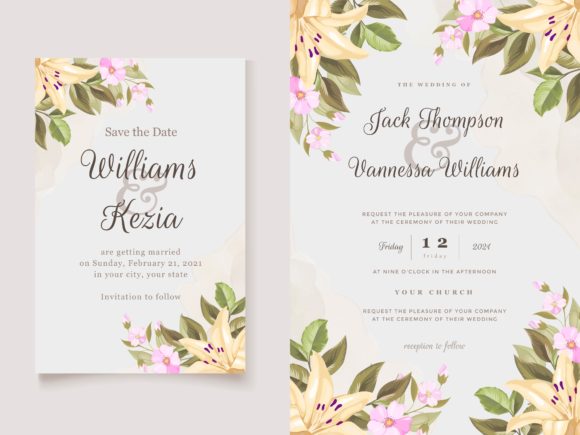
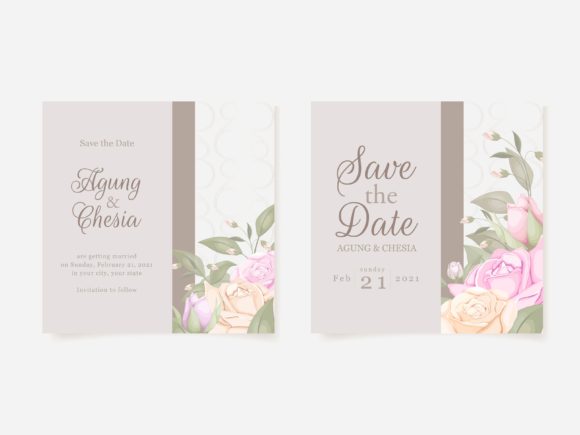
A template, such as the Rose Wedding Invitation Card Template, is far more than a simple shortcut. Its primary utility lies in providing a structured, professionally crafted starting point. This eliminates the daunting prospect of beginning from a blank canvas, which can consume valuable time and creative energy. The template features an elegant wedding invitation template design built around a beautiful floral vector with roses and leaves. This pre-established visual framework ensures a cohesive and sophisticated aesthetic from the outset, one that communicates romance, refinement, and natural beauty—key themes for many weddings.
The strategic advantage is clear: it allows you to invest your efforts where they matter most—personalization and refinement. Instead of grappling with fundamental design principles, you can focus on tailoring the content, adjusting colors to match your palette, or integrating unique symbolic elements. This approach supports better results by ensuring a high-quality base design while freeing you to concentrate on the strategic messaging and personal touches that make your invitation uniquely yours.
Approaching Personalization with Intentionality
The claim that the Rose Wedding Invitation Card Template is very easy to personalize by yourself is its most powerful feature. However, intentionality is crucial. Personalized does not mean haphazardly altered. Thoughtful use involves considering your goals for the invitation. What is its primary function? Is it to convey a formal, traditional atmosphere or a more modern, whimsical feel? How does it align with your overall wedding branding and theme?
Before you begin editing, undertake a brief planning phase. Define the core information hierarchy: what details are most important? Often, the names of the couple, the date, time, and venue take precedence. Consider your audience—the guests—and what they need to know clearly. A practical example would be to use the elegant floral border as a constant, but to strategically change font styles and sizes to emphasize key information, using bold text for the date or a delicate script for your names. This thoughtful manipulation of the editable template supports clear communication and enhances the guest experience by making the invitation both beautiful and functionally easy to read.
Planning Tips for Effective Template Utilization
- Audit Your Assets: Before personalizing, gather all final details—venue addresses, exact times, website URLs for registries. Working with confirmed information prevents multiple revision cycles.
- Color Coordination: Use the editable features to align the template’s color scheme with your wedding colors. Subtle adjustments to the rose hues or leaf shades can create a perfect visual link.
- Typography as a Tool: Select fonts that complement the elegant floral design. A classic serif font might reinforce tradition, while a clean sans-serif could hint at a more contemporary celebration.
- Proofread in Stages: Proofread the design after each major edit—first for content accuracy, then for visual balance and spacing. This disciplined approach avoids last-minute errors.
When to Choose and How to Implement the Template
Deciding when to use a Rose Wedding Invitation Card Template involves assessing your context. It is an excellent choice for couples who value design quality but have limited time or formal design expertise. For small business owners offering wedding planning services, it provides a reliable, beautiful product to offer clients, streamlining your operations. Bloggers or publishers creating content about wedding planning can use it as a practical example in tutorials. The key is to recognize it as a tool for achieving a better outcome efficiently, not as a compromise.
Your approach should be methodical. Start by reviewing the full template. Understand which elements are fixed (like the overall floral vector layout) and which are fully editable (text, colors, perhaps some graphical elements). Map your personalization plan against these capabilities. If you need to incorporate a monogram or a specific symbol, check if the template allows for such an insertion. This exploration phase prevents frustration and ensures your goals are achievable within the template’s framework.
The Risks of Using Templates Without Clear Goals
While the Rose Wedding Invitation Card Template is designed to be helpful, relying on it without clear objectives can lead to suboptimal results. The primary risk is a generic outcome. If you simply fill in the blanks without considering how the design aligns with your wedding's unique personality, the invitation may feel impersonal, despite its beautiful base. Another risk is over-editing. Because it is editable, there is a temptation to alter too many elements, which can disrupt the professional balance of the original elegant wedding invitation template design, resulting in a cluttered or disjointed final product.
To use it intentionally rather than randomly, anchor every change to a purpose. Ask, “Why am I changing this font?” The answer should be, “To improve readability for our older guests,” or “To match the font on our wedding website for brand consistency.” This goal-oriented mindset transforms the template from a passive fill-in form to an active strategic tool in your planning process.
Strategic Observations for Long-Term Value
For professionals beyond the couple, the long-term value of such a template extends into branding and customer experience. An event planner who consistently uses a refined version of this template for different clients builds a recognizable style. The consistent quality implied by the beautiful floral design enhances the planner’s brand perception. Furthermore, providing clients with an easy-to-personalize template improves their experience—it gives them control and involvement without overwhelming them, a key to client satisfaction and positive referrals.
Navigating Challenges and Seeking Support
Even with a template noted as very easy to personalize, challenges can arise. Technical issues with editing software, creative block on how to best implement a unique idea, or uncertainty about design principles are possible. The instruction to contact us on our social media account if you need some help personalized specially for your project is a valuable resource. It signifies that the template is part of a supported ecosystem. Leveraging this support for specific, complex customizations can help you overcome hurdles and achieve a result that perfectly fits your vision, turning a potential risk into a guided opportunity.
In conclusion, the Rose Wedding Invitation Card Template is a strategic asset in wedding planning and related creative endeavors. Its elegant wedding invitation template design provides a trustworthy foundation of visual appeal. Its editable nature offers a canvas for intentional personalization that serves your specific communication goals. By approaching it with planning, clear objectives, and a focus on the guest experience, you harness its full potential to create an invitation that not only informs but also delights and resonates, setting a perfect precedent for your celebration to come.