Creating Elegant Invitations with Lily Flower and Floral Vector Designs
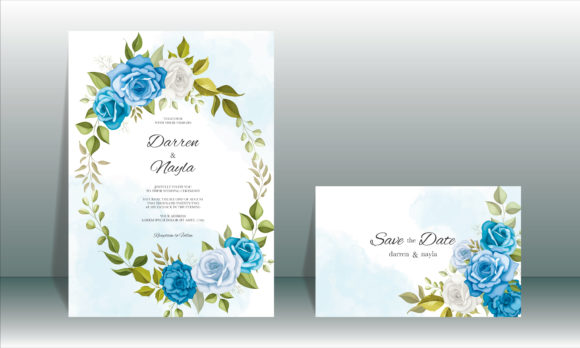
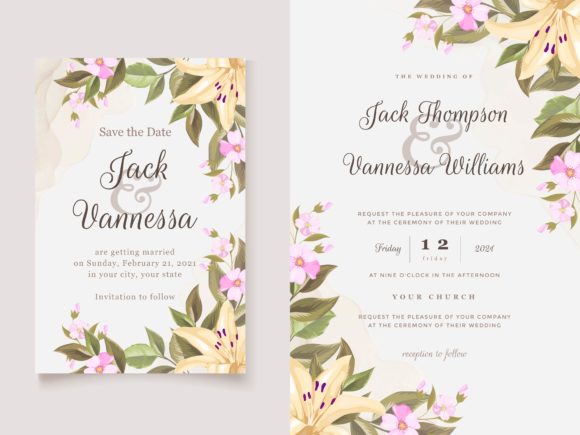
The wedding invitation is the first tangible glimpse guests receive of your upcoming celebration. It sets the tone, hints at the style, and builds anticipation. Among the myriad of design choices available, wedding invitation cards featuring lily flowers and elegant floral vector templates have emerged as a timeless and sophisticated favorite. These designs, often incorporating beautiful roses and leaves, offer a perfect blend of classic romance and modern adaptability. More importantly, the rise of editable, personalizable templates means that achieving this elegance is now accessible to everyone, allowing couples to infuse their unique personality into every detail without needing professional design expertise.
The Significance and Symbolism of Floral Invitations
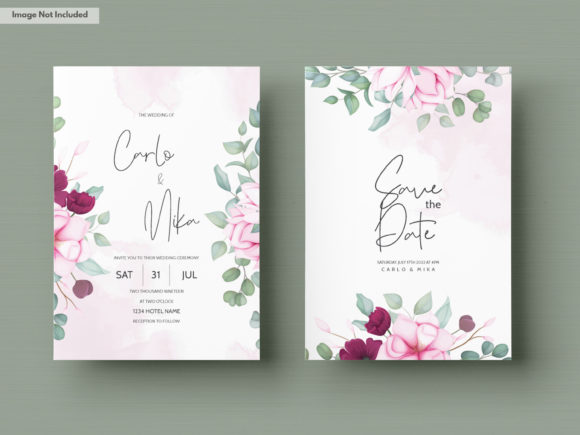
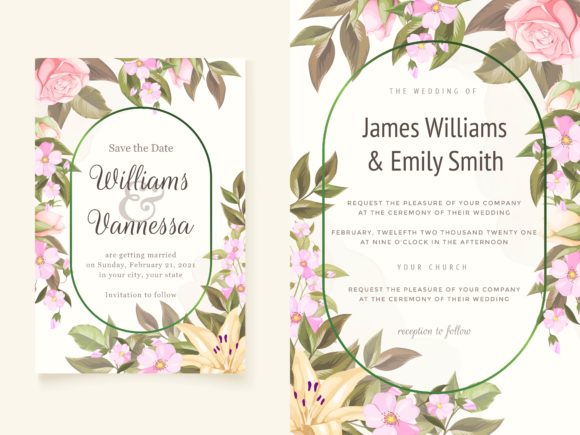
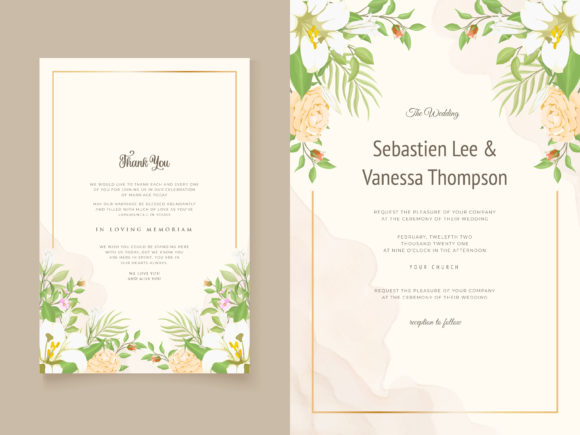
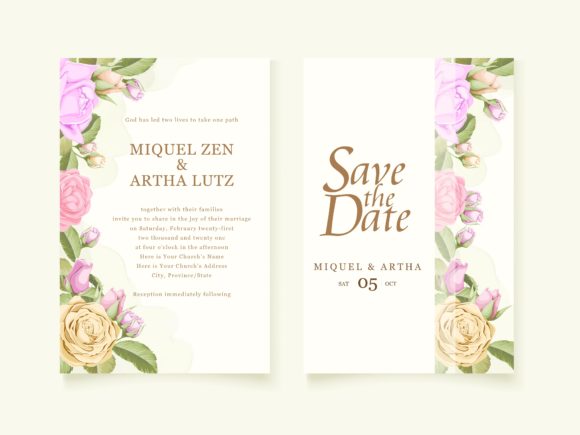
Floral motifs, particularly lilies and roses, carry deep symbolic weight in wedding culture. Lilies are traditionally associated with purity, commitment, and refined beauty, making them a poignant choice for a marriage celebration. Roses, universally symbols of love and passion, add a layer of romantic warmth. When these elements are combined into an elegant wedding invitation template design, they communicate a message of graceful, heartfelt love before any words are read. This visual language is immediately understood by guests, creating an emotional connection from the very first moment.
Beyond symbolism, the aesthetic of a beautifully crafted floral vector provides a sense of luxury and attention to detail. In today’s digital age, where communication is often fleeting, a physically or digitally beautiful invitation stands out. It signals that the event is significant, considered, and worthy of special care. For the couple, it becomes a cherished keepsake, a small artifact of their journey that often finds a place in memory boxes and albums for years to come.
From Concept to Card: The Anatomy of an Elegant Template
What makes a wedding invitation template both elegant and practical? Modern designs, especially those built with scalable vector graphics (SVG), are constructed with several key layers.
- The Foundation: A clean, high-quality layout that provides structure for text (names, date, venue, etc.).
- The Florals: The central artistic element—a cluster of lilies, a wreath of roses and leaves, or a delicate border. These are not static images but vectors, meaning they can be resized or recolored without losing quality.
- Typography Space: Carefully allocated areas for your custom text, designed to complement the florals rather than compete with them.
- Editable Framework: The underlying digital structure that allows you to change every element using common software or online tools.
This architecture ensures the design is “very easy to personalize by yourself.” You are not merely filling in blanks on a rigid form; you are collaborating with a flexible artistic framework. You can adjust colors to match your wedding palette, perhaps softening the roses to a blush pink or making the lilies a crisp white. You can reposition elements if your ceremony details require more space. This empowerment transforms the invitation from a generic product into a co-created personal statement.
The Practical Relevance: Personalization in Modern Wedding Planning
Contemporary wedding planning emphasizes personalization and authenticity. Couples want their events to reflect their unique story, tastes, and values. A pre-designed, mass-produced invitation often falls short of this goal. An editable floral vector template bridges the gap perfectly. It provides a starting point of professional, proven elegance while handing over the creative control.
This approach fits seamlessly into modern life, where digital tools enable DIY projects without sacrificing quality. Whether you are a creative professional comfortable with design software or a beginner using intuitive online editors, these templates are built for you. The process becomes part of the wedding journey—a collaborative, fun task for the couple. It also offers practical business advantages: cost-effectiveness compared to fully custom design, speed of iteration, and the elimination of shipping delays for physical samples.
Clarifying Common Misunderstandings
Several assumptions often surround editable templates that can deter couples. Let’s clarify them.
- “Editable means limited.” Actually, high-quality vector templates offer extensive editing. Colors, fonts, layout spacing, and sometimes even individual floral elements can be modified.
- “It will look generic.” The template provides the artistry; your personal information, color choices, and textual tone make it distinctly yours. Two couples using the same lily template will produce vastly different final cards.
- “I need advanced skills.” Many templates are offered in formats compatible with user-friendly, free online design platforms. Step-by-step guides are commonly provided.
- “It’s only for digital invites.” These templates are typically designed for both digital sharing and high-resolution printing, ensuring perfection for physical cards.
Understanding these points opens up the opportunity. The template is a tool, not a constraint.
Implementing Your Vision: Steps to Successful Personalization
To bring your elegant lily and floral invitation to life, follow a natural workflow.
First, select your template with an eye for the overall composition. Does the floral vector align with your theme—is it lush and romantic or minimalist and linear? Next, gather your precise details: the full names of the couple, the exact date and time, the venue name and address, and any additional information like reception details or RSVP instructions. This prevents back-and-forth edits later.
Then, begin the personalization process. Start with the text, using fonts that feel authentic to you. Perhaps a classic serif for tradition, or a clean sans-serif for a modern touch. Then, explore color adjustments. Match the greens of the leaves to your decor, or the accent colors of the flowers to your bridesmaids' dresses. Don’t overcrowd; the elegance often lies in simplicity.
Finally, seek a second opinion and proofread meticulously. View the design as a whole—does it feel balanced? Is all information clear and legible? This is where the community or support aspect becomes vital.
The Importance of Accessible Support
Even with “very easy to personalize” templates, questions arise. What if the software behaves unexpectedly? What if you want a minor alteration beyond standard editing? This is why reliable template providers encourage you to contact us on our social media account if you need some help to personalize specially for your project.
This offer of support is a critical component. It transforms the experience from a solitary DIY task into a supported creative endeavor. Social media channels provide a direct, often rapid, line for troubleshooting, inspiration, and even small custom tweaks. It ensures you are not alone in the process and that your final product will meet your highest expectations. This builds trust and aligns perfectly with the principles of providing helpful, expert-backed content.
Building a Broader Understanding: The Invitation as a Keystone
Viewing the wedding invitation card not just as a piece of paper but as a keystone element can enrich your entire planning perspective. It is the first cohesive output of your wedding’s visual identity. The choices you make here—the lilies, the rose vectors, the color palette, the typography—can naturally flow into other elements: your wedding website, your program, your table decorations, and even your thank-you cards. This creates a unified, harmonious aesthetic that amplifies the experience for you and your guests.
Furthermore, mastering the personalization of such a template can spark confidence in other creative aspects of your planning. It demonstrates that with the right tools and a bit of guidance, you can produce results of professional caliber. This empowerment is perhaps the most significant modern relevance of editable elegant designs. They democratize beauty, allowing every couple to announce their love with an invitation that is, unmistakably and beautifully, theirs.
In conclusion, wedding invitation cards adorned with lily flowers and elegant floral vectors represent more than a trend. They are a fusion of timeless symbolism and contemporary practicality. They honor the tradition of the wedding with classic imagery while embracing the modern desire for personal, authentic expression. By choosing an editable template and engaging in the personalization process—knowing that support is available if needed—you embark on the first creative chapter of your wedding story, setting a tone of elegance and love that will resonate from the invitation all the way to the “I do.”