Crafting a Floral Wedding Invitation That Reflects Your Unique Style
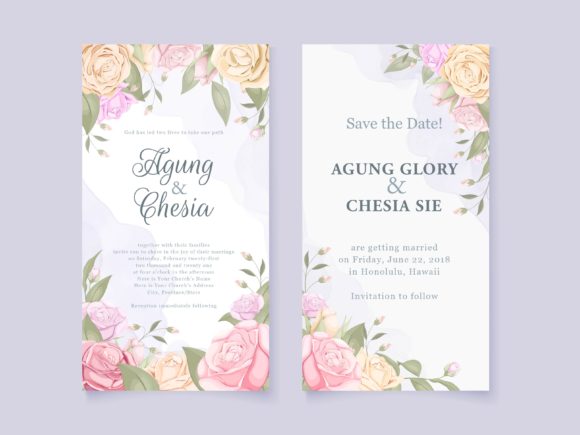
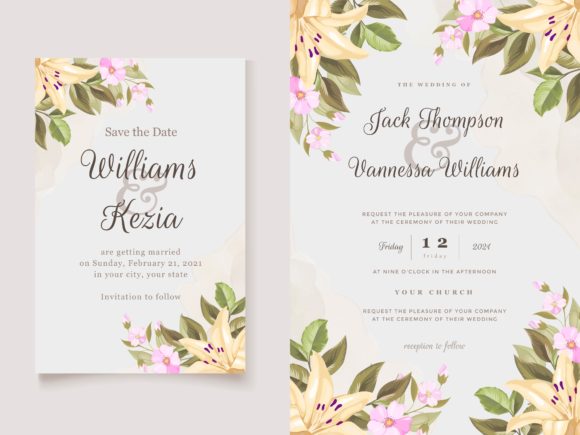
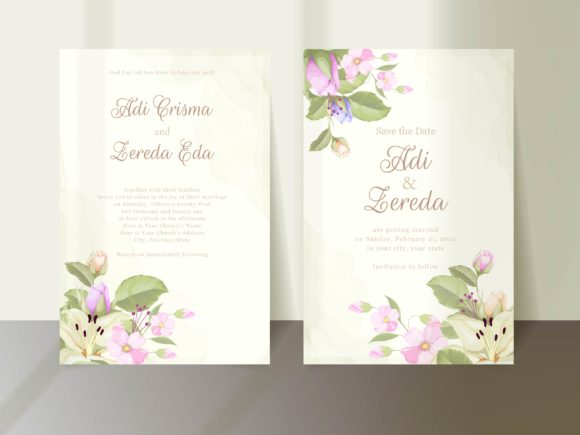
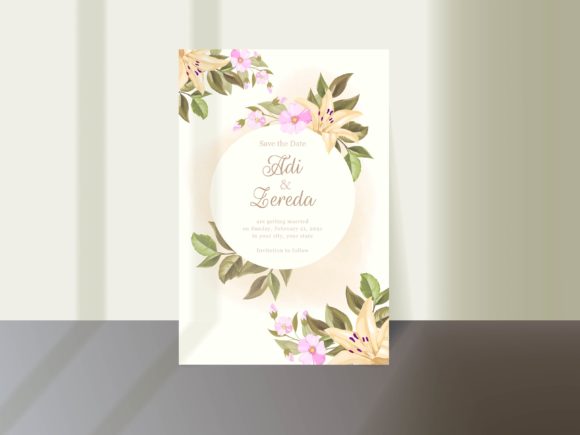
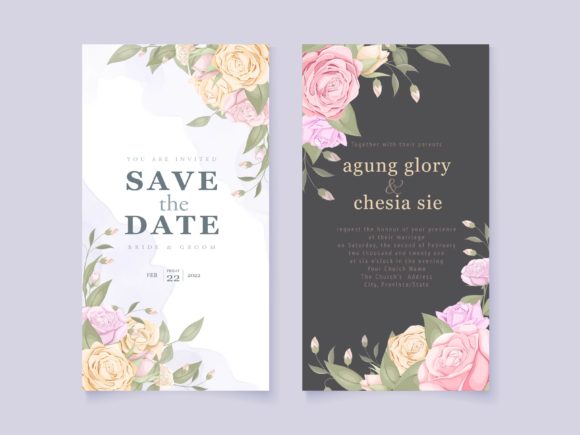
When planning a wedding, the invitation is more than just a piece of paper; it's the first glimpse guests get of your celebration's tone and personality. This is where the Flower and Leaf Wedding Invitation Card shines, offering a beautiful foundation of elegant floral vectors, often featuring intricate roses and delicate leaves, that you can tailor into a perfect, personal statement.
Understanding the Appeal of an Editable Floral Template
Many couples, and even small businesses designing for clients, gravitate towards these templates because they promise a balance of professional design and personal control. The allure is straightforward: you get a stunning, artistically crafted layout without needing advanced graphic design skills. The Flower and Leaf Wedding Invitation Card is built to be easily personalized. You can typically edit the text, adjust colors, and sometimes even reposition elements to match your wedding colors or theme. It bridges the gap between a generic, mass-produced card and the high cost of a fully custom, commissioned design from a stationer.
Common Oversights When Choosing a Template
A frequent mistake is selecting a design based purely on its initial beauty without considering practical application. You might fall in love with a template featuring a lavish rose vector, but overlook whether its color palette can be adjusted to complement your chosen wedding hues. Another overlooked detail is the editability itself. "Easy to personalize" can vary widely. Some templates allow only text changes, while others permit more extensive modifications. Not verifying the level of customization before downloading can lead to frustration when you realize you cannot change that deep burgundy rose to a soft blush pink.
This oversight directly affects your satisfaction and the final presentation. You may end up with an invitation that feels slightly "off" from your overall theme, or you might incur unexpected costs if you must hire someone to make deeper edits. It can also delay your timeline, causing stress as you scramble to find a solution close to your mailing date.
Ensuring Quality in Your Final Printed Product
A template is a digital file, but your invitation is a physical object. A significant misunderstanding is assuming that a beautiful screen design will automatically translate to beautiful print. Template designers often create for optimal digital viewing. If you don't check the template's print specifications—such as recommended paper size, resolution (DPI), and color mode (CMYK for professional printing versus RGB for screen)—you risk a final product with blurry floral details or colors that appear dull and washed out.
Better Approach: Before finalizing your design, always do a test print. Print one copy on the paper you intend to use, or a similar quality paper, using your home printer or a local print service. Examine the clarity of the leaves and roses, the sharpness of the text, and the true color representation. This small, proactive step saves you from the disappointment and cost of reprinting hundreds of flawed invitations.
Navigating Personalization Without Overcomplication
The freedom to edit is empowering, but it can also lead to a common creative error: over-designing. Loading every empty space with extra text, adding multiple secondary fonts, or overlaying too many additional graphics can clutter the elegant simplicity of the original Flower and Leaf Wedding Invitation Card. The template's strength is its refined floral artistry; overshadowing that with too many elements creates a busy, confusing layout that diminishes its impact.
Practical Advice: Use the principle of restraint. Limit yourself to one or two complementary fonts for your text. Allow the floral vectors to frame and enhance the information, not compete with it. If the template has a clean area for your names and date, let that be the focal point. Remember, the goal is clear communication wrapped in beauty.
What to Check Before Making Your Decision
To ensure a smooth process from download to envelope, take these constructive steps:
- File Format and Software Compatibility: Confirm the template comes in a format you can use (e.g., .AI, .EPS, .PSD for advanced editors, or perhaps a user-friendly .PDF with editable fields). Ensure you have, or can access, the necessary software to open and edit it.
- Licensing and Usage Rights: Understand the license. Can you use it for one wedding only? Can you use it if you are a planner designing for a client? Clear licensing prevents legal issues and ensures your use is ethical and permitted.
- Support Availability: Note the offer to contact via social media for help. This is a valuable resource. Before purchasing or downloading, quickly check the responsiveness of those social channels. Knowing there's a helpful team behind the template can be crucial if you encounter a technical hurdle during personalization.
- Overall Design Cohesion: Look beyond the main graphic. Assess the template's layout for all necessary elements: date, time, venue, RSVP details, and perhaps a map or website. Does the design accommodate this information logically and aesthetically?
From Template to Treasured Keepsake
By approaching the Flower and Leaf Wedding Invitation Card with these practical considerations, you transform a promising digital asset into a flawless physical representation of your day. You avoid the pitfalls that compromise quality, manage your time and budget effectively, and ultimately create an invitation that guests will appreciate not just for its information, but for its artistry. It becomes a true keepsake, reflecting the care and thought you've put into every aspect of your celebration. And remember, if the personalization process feels specific or daunting for your unique project, reaching out for that specialized help is a smart choice, ensuring your vision is realized with confidence and grace.